
Look, nobody's out here getting excited about mulch. It's not glamorous. It's not a statement piece. But neither is sunscreen, and you'd be cooked without it. Mulch is the unsung legend of the garden, quietly keeping your soil happy, your weeds miserable, and your water bill under control. Whether you're tidying up a veggie patch or finishing off a big landscaping job, you've come to the right place. Let's get into it.
What is mulch?
Mulch is a layer of material spread over the surface of your soil to protect and improve it. Think of it as a blanket for your garden, keeping the soil cooler in summer, warmer in winter, and far less likely to dry out between watering.
Mulch comes in two camps, Organic and Inorganic. Organic mulches (pine bark, pea straw, wood chips) break down over time and feed your soil as they go. Inorganic mulches (pebbles, gravel, decorative aggregates) don't decompose, but they look sharp and last forever. Both have their place, depending on what you're trying to achieve.
Organic vs inorganic mulch
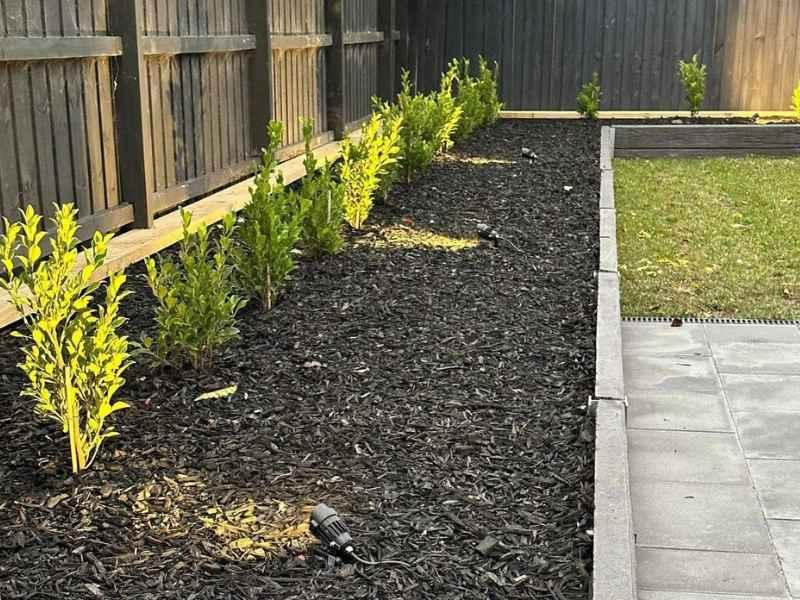
Organic mulch
Organic mulches are made from natural plant-based materials. As they break down, they feed the soil with nutrients and organic matter, which is brilliant for long-term soil health.
Here's what we stock and what each one's good for:
Pine bark mulch (10mm and 20mm): The all-rounder. Breaks down slowly, suppresses weeds well, and looks tidy. The 10mm grade suits smaller garden beds, the 20mm is better for larger areas and native plantings. Available in bulk or bags.
Pea straw mulch: High in nitrogen, which makes it the go-to for veggie gardens, roses, and fruit trees. It breaks down faster than bark, so plan on topping it up at least once a year.
Eucey Mulch: A dark, natural-looking mulch made by grinding hard greens (trunks, branches, limbs, stumps) into a coarse, fibrous texture. Particle size ranges from roughly 10mm to 150mm. Despite the name, it's not necessarily eucalyptus. Great for garden beds where you want a natural, organic look with solid coverage. Availability varies, so check with your local store first.
Watersaver mulch: Our premium pick and the best in the range for soil moisture retention. It's a finely graded pine bark that's been aged and composted, giving it a richer texture, deeper colour, and higher nutrient content than standard bark mulches. On top of locking in moisture, it suppresses weeds, regulates soil temperature, and boosts organic matter in your soil over time. Decorative enough for front gardens and landscaped beds where appearance matters. Available in bulk or bags.
Tree mulch: A coarser, cost-effective option often used for pathways, around trees, and on large garden areas where aesthetics are less of a priority. Available in bulk or bags.
Playsafe mulch: A graded, cream-coloured wood chip that's certified as softfall, meaning it's approved for use under playground equipment when laid at a minimum depth of 300mm. It also works as a regular garden mulch (laid at the standard 50 to 100mm) where it suppresses weeds, retains moisture, and helps regulate soil temperature. Available in two varieties: a darker 'chip' shape and a lighter 'matchstick' shape. Call your local store to check what's in stock. Available in bulk or bags.
Sugarcane mulch: Made from dried sugarcane leaves and tops, sugarcane mulch breaks down over the growing season, adding nutrients back into the soil as it decomposes. It's lightweight, easy to handle, and a great choice for veggie gardens, flower beds, and around fruit trees. Each bale covers 7-14 square metres depending on the depth applied. It does break down faster than bark-based mulches, so expect to top it up at the end of the season.
Blackwood and redwood mulch: Decorative organic mulches with a distinctive appearance. The dark and red tones work well in landscaped garden beds where appearance matters. Available in bulk or bags.
Mossrock fine mulch: Recycled wood waste screened to approximately 12mm, giving a fine, even texture. Good for weed control, water conservation, and a decorative finish in garden beds. Available at our Torquay store only.
One quick heads-up: bark and wood-based mulches can temporarily tie up nitrogen in the soil as they break down. If you're spreading these over a garden bed, sprinkle a handful of blood and bone over the soil first to balance things out.
Inorganic mulch
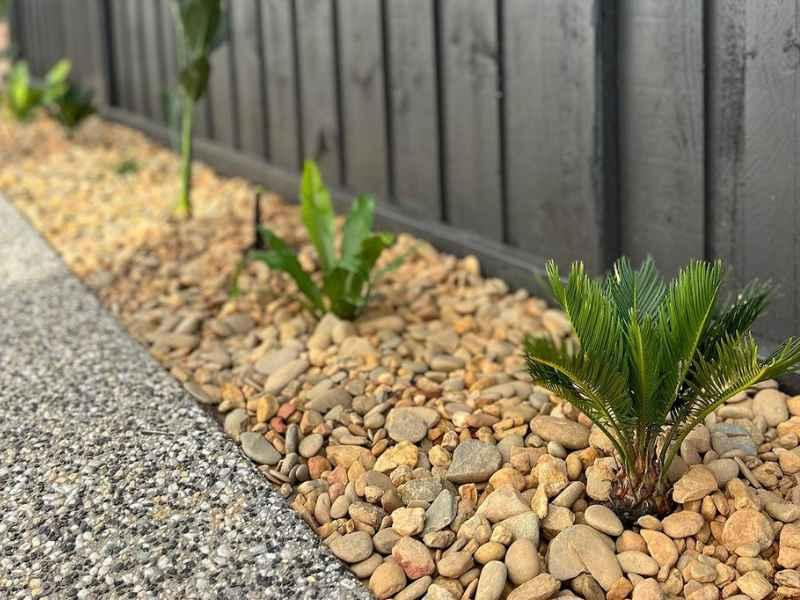
Inorganic mulches don't break down, so they won't add nutrients to your soil; but they are long-lasting, low-maintenance, and ideal for decorative purposes.
Common inorganic mulch options include:
Pebbles and decorative aggregates: Available in a wide range of sizes and colours. Good for pathways, around feature plants, or in garden beds where you want a clean, permanent finish.
Tuscan toppings and Coldstream toppings: Decorative crushed rock options that give garden beds and paths a distinct earthy, warm appearance.
Scoria: A lightweight volcanic rock with a reddish colour. It drains well and is popular around native and drought-tolerant plants.
The trade-off: dust and debris can build up in the gaps over time, giving weed seeds somewhere to take hold. They're also a pain to remove if you ever want to change your garden layout, so commit before you spread.
Benefits of mulching your garden
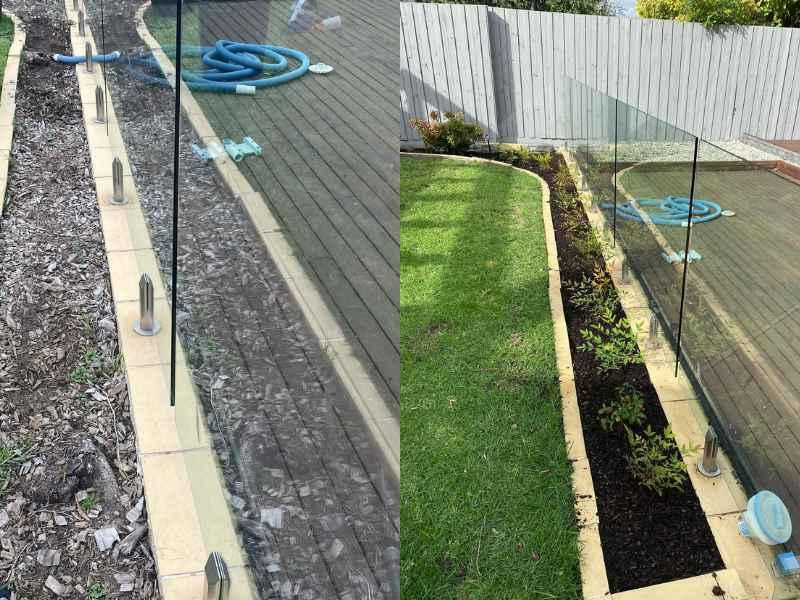
Mulching is one of the easiest, cheapest things you can do to dramatically improve your garden. Here's the actual return on investment:
Retains moisture. Mulch cuts evaporation from the soil surface, which means less watering through Melbourne and Geelong summers. A well-mulched garden holds far more moisture than bare soil.
Suppresses weeds. A 50 to 75mm layer of mulch blocks light from reaching the soil, which stops most weed seeds from germinating. Any weed that does push through is much easier to pull out.
Regulates soil temperature. Mulch insulates the soil, keeping it cool through summer heatwaves and protecting roots from cold snaps in winter.
Improves soil health (organic types). As organic mulches break down, they add organic matter to the soil. This feeds beneficial soil microbes, improves structure, and over time turns tired soil into something plants actually thrive in.
Reduces erosion. Mulch cushions the soil from rain impact and runoff, which matters a lot on slopes or in areas that cop heavy rainfall.
Finishes a garden. A fresh layer of mulch makes a garden look clean and well-maintained. It's the landscaping equivalent of a fresh coat of paint.
When to apply mulch
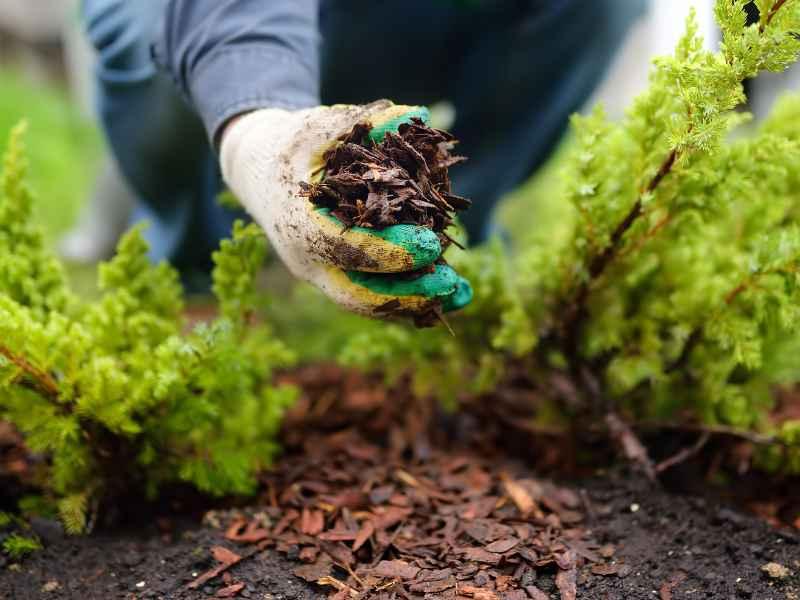
There is no single right time to mulch, but three moments make a big difference:
- Before summer: Applying mulch in late spring locks moisture into the soil ahead of the hottest months. This is the most impactful time of year to get mulch down.
- Before rain: If rain's forecast, mulch the day before. The mulch helps water soak in rather than run off, and the moisture gets locked in below. One exception: if you're laying blackwood or redwood mulch, hold off. These are coloured with vegetable dye and need 3 to 4 dry days after installation for the colour to bond properly. Mulch them in a dry stretch, not before rain.
- After planting: Applying mulch after you've finished planting adds a neat finish and protects new root systems straight away.
For most organic mulches, plan to top up once a year. Inorganic mulches like pebbles only need occasional topping up every few years.
How to apply mulch correctly
Getting the most out of mulch comes down to a few simple steps:
- Clear the area first. Remove existing weeds, either by hand or with a herbicide, before you lay mulch down. Mulching over live weeds just gives them a head start.
- Consider a weed barrier. For garden beds prone to weeds, lay down weedmat, newspaper, or cardboard before mulching. Daisy's stocks weedmat in-store and online.
- Choose the right mulch. Organic for garden beds and veggie patches. Inorganic for pathways, decorative areas, and low-maintenance spots.
- Apply to the right depth. Aim for 50 to 75mm for most organic mulches. Deep enough to suppress weeds and retain moisture without suffocating plant roots.
- Keep it away from stems and trunks. Don't pile mulch up against the base of plants or trees. Leave a 50 to 100mm gap around the stem to prevent rot and pests.
- Water it in. Give the area a good drink after mulching to settle the layer and start pushing moisture down to the roots.
How much mulch do I need?
As a rough guide: 1 cubic metre of mulch covers approximately 10 to 13 square metres at a 75 to 100mm depth.
Use our volume calculator below to work out exactly how much you need for your area. Enter your length, width and depth, and we'll tell you the cubic metres required.
How much do I need?
 Volume Calculator
Buy mulch in Melbourne and Geelong
Daisy's Garden Supplies stocks a full range of organic and inorganic mulches across our nine locations in Greater Melbourne and Geelong: including Ashwood, Ringwood, Thomastown, Laverton, Taylors Lakes, Carrum Downs, Pakenham, Geelong (Moolap), and Torquay.
Order online in bags or bulk cubic metres, or visit your nearest store to see the product in person. Bulk mulch is available from 0.25m³ in-store or 0.5m³ online, with delivery across Greater Melbourne, Geelong, and Torquay.
Shop mulch online or find your nearest store.
Please note: while every effort is made to ensure consistency, there may be variation in product colour and texture from what is displayed online. Our range is naturally sourced or recycled, so variation can occur. It's best to visit your nearest store to get the best impression before ordering in bulk.