
What Mulch is Best for Native Plants?
The best mulch for native plants in Australia is tree mulch or eucalyptus (eucey) mulch. Both replicate the natural forest floor, suppress weeds, retain soil moisture, and improve soil health without overloading your natives with nutrients they don't want.
Read on for a breakdown of each type, what to avoid, and how to apply mulch correctly for the best results
Why Mulch Matters for Australian Natives
Australian native plants evolved in low-nutrient, well-drained soils with a natural covering of leaf litter, bark, and organic debris. Good mulch mimics that environment.
The right mulch delivers four key benefits:
1. Moisture retention — keeps roots hydrated during hot, dry Australian summers
2. Temperature regulation — insulates roots from heat and cold
3. Weed suppression — reduces competition so natives can establish strongly
4. Soil improvement— breaks down slowly to add organic matter without a nutrient spike
The key word for natives is *slowly*. A mulch that breaks down too fast, or dumps too many nutrients, can actually harm plants adapted to lean soils.
The Best Mulches for Native Plants
Tree Mulch
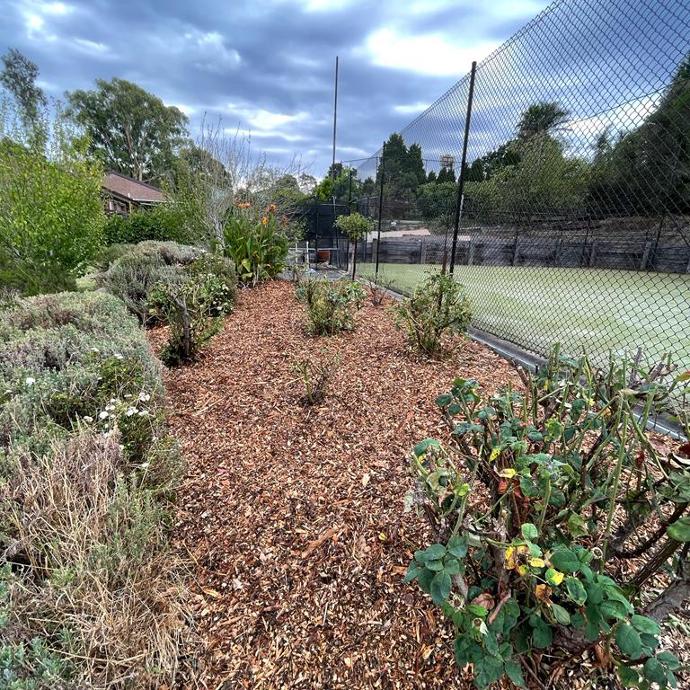
Tree mulch is produced from tree lopping and pruning, so it's a genuinely natural and locally sourced material. Its composition varies with the season and source, which means a diverse mix of wood chips, bark, and foliage that creates a rich, complex substrate very similar to what you'd find under a bush canopy.
Why it works for natives:
- Suppresses weeds effectively
- Retains soil moisture well
- Regulates soil temperature in summer and winter
- Adds organic matter gradually as it breaks down
- Natural, varied texture looks at home in a bush garden
Typically, mulch is laid 50-100mm thick to maximise its benefits.
Eucey Mulch
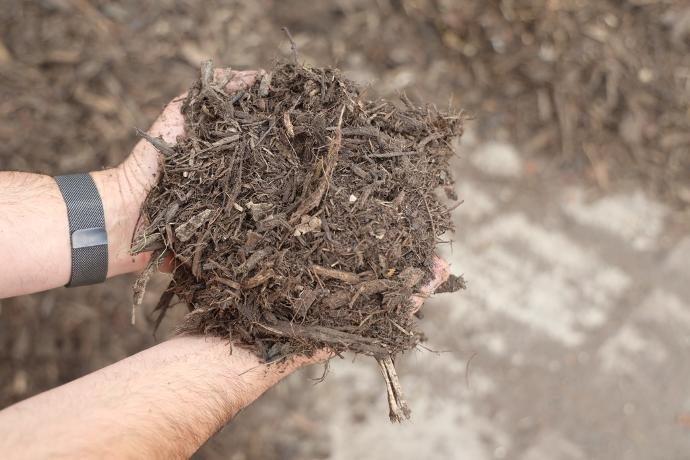
Eucey mulch is made from ground natural wood materials and organic matter, with particle sizes ranging from 1mm to 15mm (average 6–10mm). It has a dark, rich appearance that looks great in native garden beds and blends naturally with Australian landscapes.
Why eucalyptus mulch is particularly good for natives:
- Promotes the soil microorganisms that Australian native plants thrive alongside
- Fine particle size breaks down to improve soil structure over time
- Nutrient release is gentle so it won't shock low-phosphorus natives
- Dark colour absorbs warmth in winter and suppresses weed seeds effectively
What Mulch to Avoid on Native Plants
Not all mulches suit Australian natives. Here's what to steer clear of:
- Mushroom compost — highly alkaline; most natives prefer slightly acidic soils
- Fresh grass clippings in thick layers — break down too fast, can cause nitrogen spikes and odour
- Rich manure-based composts — too high in phosphorus; many Australian natives are phosphorus-sensitive and can suffer root damage or die
- Pine bark (heavy application) — pine bark contains a growth inhibitor released during decomposition; apply once only, not repeatedly
The rule of thumb: if a mulch is rich and fast-decomposing, it's probably more suited to a veggie patch than a native garden.
Mulch Type | Good for Natives? | Notes |
|---|---|---|
Tree Mulch | ✅ Yes | From tree lopping/pruning. Versatile, natural, locally sourced. Increases soil organic matter over time. |
Eucey Mulch | ✅ Yes | Coarse, fibrous hardwood mulch (10-150mm). Dark appearance. Promotes soil microbes. Not necessarily eucalyptus despite the name. |
Watersaver Mulch | ✅ Yes | Finely graded aged Radiata pine bark (0-12mm), pH 5.5-6.5. Slightly acidic and low in phosphorus. Supports mycorrhizal fungi. Ideal for natives including phosphorus-sensitive species. |
Mossrock Fine Mulch | ✅ Yes | Fine recycled wood waste mulch. Good for weed control and water conservation. Low nutrient, suits natives. |
10mm Pine Bark | ⚠️ Moderate | Fine graded pine bark. Retains moisture well. Can slightly acidify soil over time, which suits some natives but not all. |
20mm Pine Bark | ⚠️ Moderate | Larger particle pine bark. Same considerations as 10mm but slower to break down and acidify. |
Red Wood Mulch | ⚠️ Moderate | Recycled pine/hardwood pallets dyed with red vegetable dye. Non-toxic dye but monitor soil pH over time with repeated applications. |
Black Wood Mulch | ⚠️ Moderate | Same base as Red Wood but black vegetable dye. Fine for most natives but not the first choice. |
Sugar Cane Mulch | ⚠️ Moderate | Breaks down faster than bark mulches. Fine for some natives but avoid around phosphorus-sensitive species (banksias, grevilleas, hakeas). |
Pea Straw | ⚠️ Moderate | Best suited to veggie gardens. Breaks down quickly and enriches soil with nitrogen. Too nutrient-rich for most phosphorus-sensitive natives. |
Playsafe Mulch | ⚠️ Moderate | Certified soft-fall playground mulch, but can also be used in garden beds. AS4454 certified and independently tested clean. Low risk but not suggested for natives. |
Grit Mulch | ❌ Not applicable | 50/50 granitic sand and 7mm cream pebbles. Inorganic, decorative only. Geelong and Torquay stores only. |
Composts | ❌ Not applicable | Composts are soil conditioners designed to add nutrients and organic matter to soil. Most contain composted animal manure and have elevated phosphorus and pH levels that can be harmful to phosphorus-sensitive natives such as banksias, grevilleas, and hakeas. |
How to Apply Mulch in a Native Garden
Follow these steps for best results:
1. Clear the area removing weeds, dead plants, and debris before mulching
2. Water the soil the day before applying mulch; mulch applied to dry soil traps heat and slows moisture penetration
3. Apply 50–100mm deep, thick enough to suppress weeds and hold moisture, not so thick it blocks water or air.
4. Keep away from stems, leave a 5–10cm gap around plant bases to prevent collar rot and fungal issues
5. Check after watering or rain by lifting a corner of mulch to confirm moisture is penetrating through to the soil below
6. Top up annually —organic mulch breaks down over time; refresh when the layer drops below 30mm
How Much Mulch Do You Need?
Use the Daisy's volume calculator to work out exactly how much mulch your garden beds need. It takes the guesswork out of ordering and prevents over- or under-buying.
For a standard garden bed at 75mm depth:
- 10m² needs approximately 0.75 cubic metres
- 20m² needs approximately 1.5 cubic metres
Daisy's delivers in bulk bags and loose loads — Click here for delivery options
Frequently Asked Questions
What is the best mulch for Australian native plants?
Tree mulch and eucalyptus mulch are the top choices. Both mimic the natural forest floor, break down slowly, and improve soil health without adding excessive phosphorus or nutrients that can harm native plants adapted to lean soils.
Is pine bark mulch good for native plants?
Pine bark can be used, but with caution. It contains a natural growth inhibitor released during decomposition. Apply it once to establish coverage; don't continually layer it each year. Tree mulch or eucey mulch are generally better long-term choices for native gardens.
What mulch is bad for native plants?
Avoid mushroom compost (too alkaline), rich manure-based composts (too high in phosphorus), and thick layers of fresh grass clippings (too fast-decomposing and likely to cause nitrogen issues). Australian natives evolved in low-nutrient soils and do best with mulches that release nutrients slowly.
Is eucey mulch good for natives?
Yes. Eucey mulch is particularly beneficial for Australian native plants because it promotes the soil microorganisms that natives naturally grow alongside. Its fine particle size improves soil structure over time without the nutrient spike that can damage phosphorus-sensitive species.
How thick should mulch be for native plants?
Apply mulch 50–100 mm deep. Thinner than 50mm and it won't hold enough moisture or suppress weeds effectively. Thicker than 100mm and you risk blocking water penetration and deoxygenating the soil. Always keep mulch away from plant stems.
Do Australian native plants need special compost?
Most Australian native plants do better with minimal compost, especially phosphorus-free or low-phosphorus varieties. If you want to improve your soil before planting, choose a native plant-specific blend. For established plants, a slow-decomposing organic mulch like tree mulch or eucey mulch is usually sufficient.
Ready to Mulch Your Native Garden?
Daisy's Garden Supplies stocks both Tree Mulch and Eucey Mulch — ideal for Australian native gardens across Melbourne and Victoria. Order online for delivery, or visit one of our 9 locations to pick up in bulk.
How much do I need?
 Volume Calculator